


How to Evaluate a Thermal Paper Alternative by GSM, Sensitivity and Image Durability
A thermal paper alternative should be evaluated as a complete printing material, not approved because it looks similar or carries the same nominal size. GSM affects paper mass and can influence roll length or feel, but thickness, smoothness, thermal sensitivity, base paper and coating also matter. Image durability depends on the paper grade and its exposure to heat, light, moisture, friction, plasticizers and chemicals. A reliable replacement process compares the existing paper and candidate under the same printer, settings, barcode design, roll geometry and storage conditions.
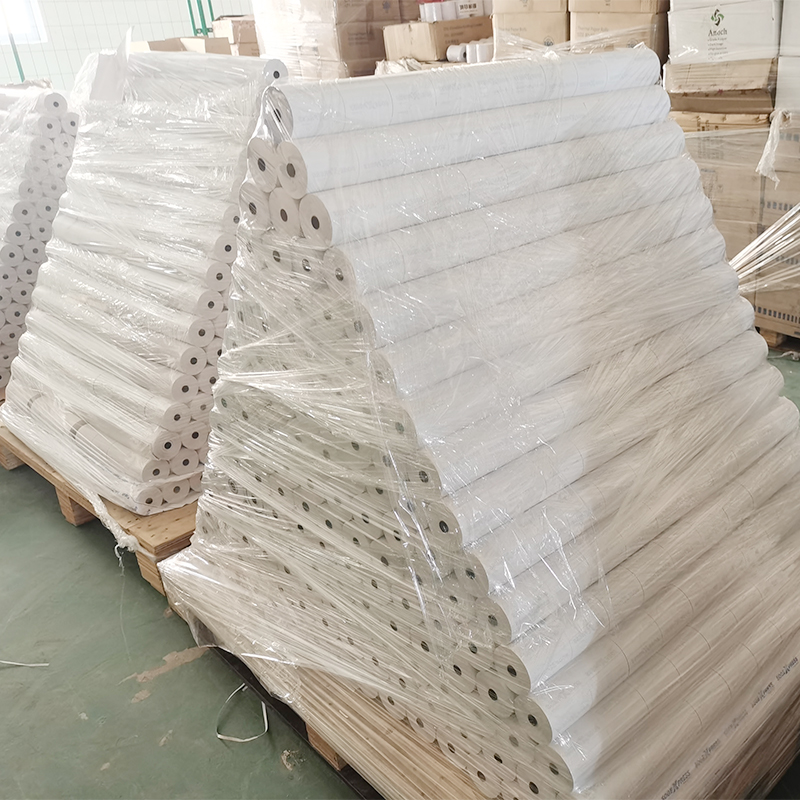
A thermal paper alternative should be compared through measurable paper, print and roll specifications.
How can a buyer evaluate a thermal paper alternative by GSM, sensitivity and image durability without making an unsupported claim of equivalence?
- Which Physical Specifications Should Be Compared First?
- How Should Thermal Sensitivity and Print Quality Be Tested?
- How Can Buyers Compare Image Durability and Storage?
- Conclusion
- Frequently Asked Questions
- Is the same GSM enough to prove two thermal papers are equivalent?
- How should thermal sensitivity be tested?
- How Should Buyers Evaluate an Oji or Koehler Alternative?
- What affects a stored thermal image?
- What should be approved before a bulk order?
GSM is the mass of paper per square meter. It is a useful purchasing field, but it is not the same as thickness and does not alone predict roll length, stiffness or print quality. Compare GSM together with caliper, width, core, outside diameter and actual length.
Alliance Paper's product materials reference thermal paper options at 48, 55, 60, 65 and 70 gsm. These values show the range of paper weights that may be evaluated; the applicable construction and availability are confirmed for the selected product.
Surface smoothness and coating uniformity can affect contact with the printhead and the consistency of fine lines. Base-paper quality, dust or lint and roll edge condition can also affect operation. Evaluate samples from representative production, not only a small hand sheet.
Alliance Paper's thermal paper category includes finished-roll examples, while the thermal paper jumbo roll page serves a converting requirement. Compare candidates within the same supply format.
GSM and caliper, recorded as separate values.
Roll width, core inside diameter, outside diameter and winding.
Actual roll length or yield under the agreed measurement method.
Surface, edges, packaging and consistency across sampled rolls.
Thermal sensitivity describes how the coating responds to heat. A candidate that requires very different printhead energy may print too light, too dark or less consistently at the existing speed. Test it on the intended printer and record darkness, speed and energy settings.
Use representative content: small text, logos, solid areas and the actual barcode symbology and size. Check edge sharpness and scan rate with the scanners used in operation. Visual darkness alone is not enough if the barcode is poorly defined.
Run more than one roll when the decision affects a large order. Observe feeding, cutting, printhead contact and any residue. If the application uses several printer models, test the main models separately instead of assuming identical response.
Named brands such as Oji, Appvion, RICOH, Mitsubishi or Koehler can be used as references to organize required characteristics. Do not describe an Alliance Paper product as original, identical or a complete replacement without validated side-by-side specifications and performance evidence.
Use the same printer, settings, design and ambient conditions.
Measure print contrast and barcode scanning, not appearance alone.
Record any setting change needed by the candidate.
Retain samples and test records for procurement approval.
Thermal images can change after printing. Heat, direct light, friction, moisture, oils, solvents, plasticizers and certain packaging materials may affect the image. The test plan should reflect the real receipt, ticket or record workflow rather than a generic laboratory claim.
Define the required readable period and how the document will be stored. A receipt handled for a few weeks, a logistics record kept for months and an archived record do not have the same acceptance criteria. If a long storage claim is important, request the test method and supporting data for the proposed grade.
Packaging and warehouse conditions also matter before printing. Store thermal paper away from excessive heat, direct sunlight, moisture and contaminating chemicals according to the applicable technical guidance. Rotate stock and keep lot information when traceability is required.
The site's article on the advantages of thermal paper rolls provides introductory context. A replacement approval should go further by documenting physical dimensions, print response and durability results for the exact candidate.
Define image readability and scan criteria over the required period.
Expose samples to realistic heat, light, handling and contact materials.
Request evidence for BPA/BPS, storage-life or compliance claims.
Approve a specification rather than only a supplier or brand name.
A thermal paper alternative is credible when it matches the required physical format, prints reliably at practical settings and preserves readable information for the defined use. GSM is important, but it must be considered with caliper, sensitivity, coating and roll geometry.
Use brand products only as references unless a verified comparison supports stronger language. The final approval should document samples, printer settings, test results and the exact product specification.
No. Thickness, coating, sensitivity, base paper, surface and image durability can differ even at the same GSM.
Print the same content on the intended printer, record heat and speed settings and compare contrast, edges and scan performance.
Compare the candidate against stated requirements and verified test results rather than assuming complete equivalence from the brand reference alone.
Heat, light, moisture, friction, chemicals and plasticizers can matter. The exact grade and storage method determine the result.
Approve the specification, roll geometry, sample print, barcode scan, image-durability criteria, packaging and commercial terms.
Send the current roll specification and sample results through the Alliance Paper contact page to evaluate a thermal paper alternative without assuming equivalence.


